Welcome to visit

News
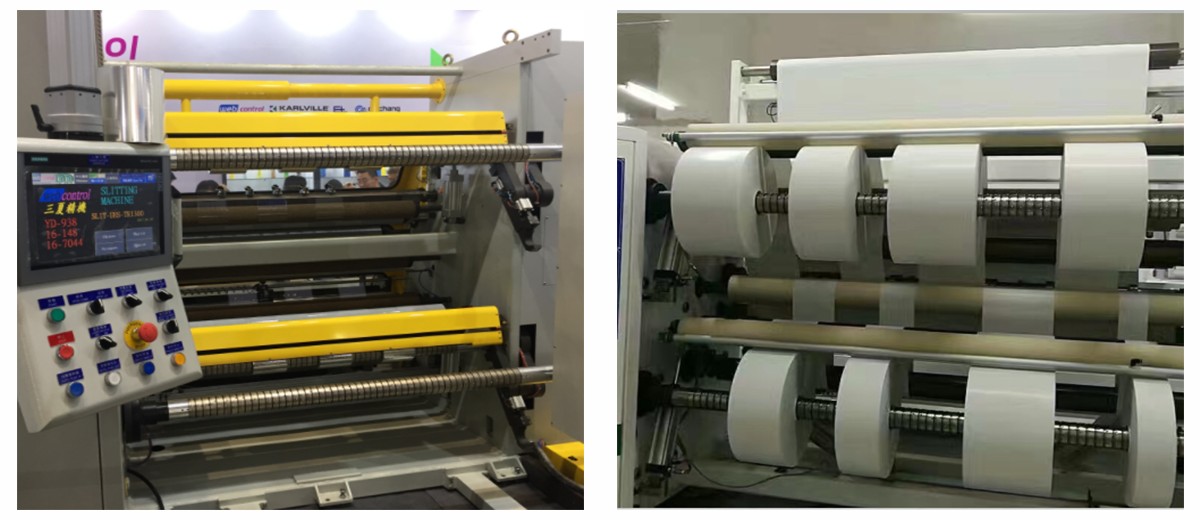
Are you experiencing these problems when slitting and rewinding BOPP, PET, PE, or other plastic films?
The paper core slips during rewinding.
Multiple finished rolls have uneven winding tension.
Some rolls become loose as the winding diameter increases.
Winding performance becomes unstable after changing cores or increasing machine speed.
These problems may be related to the air shaft, differential shaft, or winding tension system.
Identifying the actual cause can help you avoid unnecessary replacements and choose the right shaft for your slitting machine.
1. Why Does the Paper Core Slip on an Air Shaft?
If the air shaft rotates but the paper core does not rotate with it, the shaft may not be gripping the core securely.
Common causes include:
Incorrect core size: The core's inner diameter is too large for the shaft's expansion range.
Insufficient expansion: Low air pressure, air leakage, or worn expanding lugs prevent proper gripping.
Insufficient gripping torque: The shaft cannot transmit the torque required during acceleration or rewinding.
For machines equipped with a differential shaft, it is important to distinguish unwanted core slippage from the normal controlled slipping of the friction rings.
If the problem is caused by worn gripping components or an unsuitable shaft design, repair or replacement may be necessary.
2. Why Do Multiple Rewind Rolls Have Uneven Tension?
Film slitting machines often rewind several narrow rolls simultaneously.
Small variations in film thickness can gradually create differences in roll diameter during rewinding.
When multiple cores are locked to a standard air shaft and rotate at the same speed, these diameter differences can cause uneven winding tension. Some rolls may become too tight while others remain loose.
For multi-roll rewinding applications requiring compensation for these differences, a differential shaft can be a better solution.
A differential shaft uses independently slipping friction rings to transmit winding torque, allowing individual rolls to rotate at slightly different speeds.
This helps compensate for roll diameter differences and improve winding consistency.
However, if your machine already uses a differential shaft, check the friction rings, torque settings, and tension control system before replacing the shaft.
3. Air Shaft vs. Differential Shaft: Which One Do You Need?
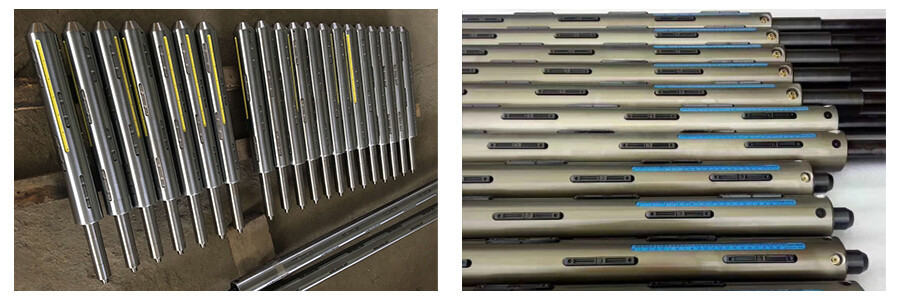
Both types are used in slitting and rewinding machines, but they serve different operating requirements.
The right choice depends on your machine design, film material, roll configuration, and winding requirements.
Neither shaft can replace a properly functioning tension control system.
4. Need a Custom Air Shaft or Differential Shaft?
Different slitting and rewinding machines may require different shaft lengths, end configurations, and mounting dimensions.
Choosing the correct shaft type is important, but ensuring compatibility with your existing machine is equally essential.
JCTPRINT supplies custom air expanding shafts and differential shafts for film slitting, rewinding, printing, and packaging applications.
If you need a replacement shaft or a customized shaft for a new machine, simply send us your technical drawing and briefly describe your application.
Our team can review your requirements, help confirm a suitable shaft configuration, and provide a quotation.
Have a shaft drawing? Send it to us for a custom quote.
Email: service01@jctprinting.com
View Our Air Shafts & Differential Shafts